

Table of Contents
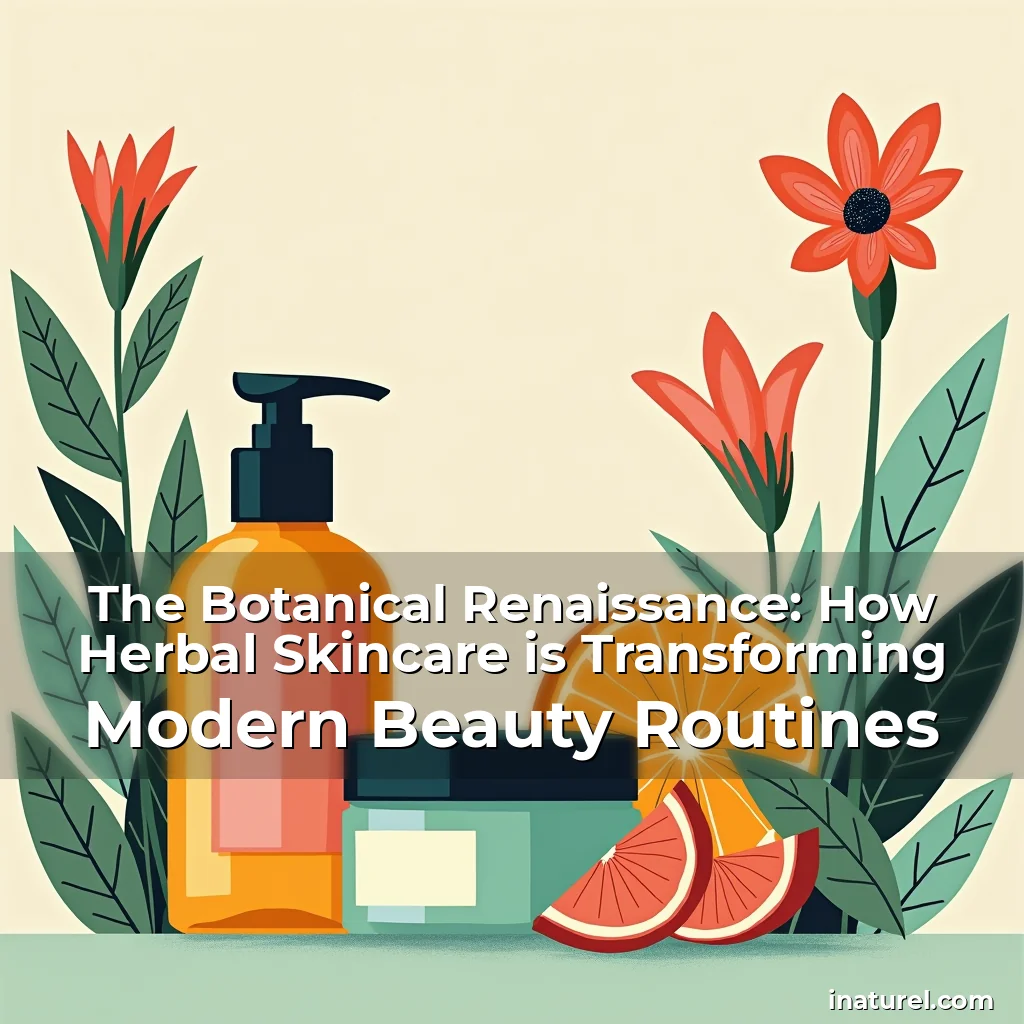
The Botanical Renaissance: How Herbal Skincare is Transforming Modern Beauty Routines
In an era where consumers are increasingly seeking natural alternatives to synthetic products, herbal skincare has emerged as a powerful movement that bridges ancient wisdom with modern science. This resurgence isn’t merely a trend; it’s a conscious shift toward holistic wellness that values sustainability, ethical sourcing, and skin health.
Rooted in centuries-old traditions from Ayurveda to Traditional Chinese Medicine, herbal skincare harnesses the potent properties of plants to nourish, protect, and rejuvenate the skin. As we delve deeper into this botanical revolution, we uncover how these time-tested remedies are reshaping beauty standards today.
The Science Behind Nature’s Remedies
Modern research has validated what traditional healers have known for millennia – many herbs contain bioactive compounds that benefit the skin at a cellular level. From anti-inflammatory agents to antioxidants, nature provides a diverse arsenal of ingredients with scientifically proven effects.
A study published in the Journal of Cosmetic Dermatology found that green tea extract significantly improves skin elasticity and reduces oxidative stress. These findings align perfectly with age-old practices that utilized camellia sinensis leaves for their healing properties.
Herbs work through various mechanisms: some act as humectants retaining moisture, others function as emollients smoothing the skin barrier, while certain plant extracts possess antimicrobial properties combating acne-causing bacteria.
The synergy between different botanicals creates a multifaceted approach to skincare, addressing concerns such as dryness, inflammation, hyperpigmentation, and premature aging simultaneously without harsh chemicals.
- Green Tea Extract: Rich in polyphenols that combat free radicals and reduce redness
- Lavender Oil: Demonstrates antibacterial and wound-healing capabilities when used topically
- Aloe Vera Gel: Provides immediate soothing relief due to its high water content and polysaccharides
- Cucumber Juice: Hydrates deeply while cooling inflamed skin tissue
Historical Roots and Cultural Significance
Long before commercial skincare brands existed, civilizations across the globe developed sophisticated herbal formulations based on local flora. Ancient Egyptians used honey and myrrh for their antiseptic properties, while Roman women applied rosewater toners derived from damask roses.
The Ayurvedic tradition from India emphasizes balance between body systems using herbs like neem for purification and turmeric for brightening. Similarly, Japanese Kampo medicine incorporates ginseng root to enhance vitality and promote skin radiance.
These historical practices reveal a universal understanding of plant-based skincare, passed down through generations yet still relevant in contemporary beauty rituals. Today’s herbal formulations often echo these ancestral methods but with enhanced scientific backing.
Cultural significance extends beyond mere aesthetics; many communities view herbal skincare as part of spiritual well-being. In African tribal traditions, shea butter application during ceremonies symbolizes protection and renewal, connecting physical care with cultural identity.
Eco-Friendly Alternatives in a Plastic-Polluted World
The environmental impact of conventional skincare products has become a pressing concern, prompting many consumers to seek greener options. Herbal skincare offers a sustainable solution by utilizing biodegradable ingredients that decompose naturally without harming ecosystems.
Unlike plastic-packaged synthetic serums, organic herb-infused creams come in recyclable glass jars or compostable containers made from bamboo fiber. This shift not only reduces landfill waste but also minimizes carbon footprint associated with manufacturing processes.
Sustainable harvesting practices ensure that wildcrafted herbs aren’t overexploited. Ethical suppliers partner with indigenous communities to cultivate native plants responsibly, preserving biodiversity while supporting traditional knowledge systems.
Consumers who choose herbal skincare contribute to a circular economy model where packaging materials can be reused or returned for refilling, reducing single-use plastics’ prevalence in personal care industries worldwide.
The Carbon Footprint Comparison
Data from the Environmental Protection Agency shows that the average facial moisturizer contains enough microplastics to pollute 68 gallons of seawater annually. In contrast, herbal lotions typically use plant-derived preservatives that break down safely after use.
A life cycle assessment conducted by EcoPassenger revealed that handmade herbal soaps produce 59% less CO₂ emissions than commercially produced bar soaps containing synthetic fragrances and dyes.
This environmental advantage makes herbal skincare particularly appealing to eco-conscious individuals striving to minimize their ecological footprint without compromising product efficacy.
Moreover, locally sourced herbs require fewer transportation miles compared to imported chemical additives, further decreasing greenhouse gas emissions linked to global supply chains.
Addressing Common Skin Concerns Naturally
Acne-prone skin benefits immensely from herbal treatments targeting excess sebum production and bacterial growth. Calendula flowers, chamomile infusions, and witch hazel extracts form effective home remedies for managing breakouts gently.
Pigmentation issues respond positively to vitamin C-rich herbs like acerola cherries and mulberries. When combined with citrus peels, these botanicals create natural exfoliating scrubs that lighten dark spots gradually without irritating sensitive complexions.
Dry skin conditions find relief in oatmeal poultices and evening primrose oil blends. These hydrating components restore lipid barriers and prevent transepidermal water loss, offering long-lasting comfort similar to pharmaceutical moisturizers.
Radiant skin tone emerges from consistent use of antioxidant-packed formulas featuring pomegranate seeds, blackcurrant berries, and hibiscus petals. Such combinations stimulate collagen synthesis and enhance overall complexion luminosity organically.
The Rise of DIY Herbal Skincare
Making your own herbal skincare products allows complete control over ingredient quality and formulation specifics. With basic kitchen tools and readily available raw materials, enthusiasts can craft personalized routines tailored precisely to individual needs.
Homemade face masks using bentonite clay mixed with fresh mint leaves provide detoxifying benefits that rival store-bought versions at a fraction of the cost. Similarly, overnight sleeping packs composed of mashed strawberries and yogurt deliver gentle exfoliation and hydration simultaneously.
The process involves careful selection of compatible herbs based on desired outcomes. For example, combining lavender essential oil with beeswax creates a calming balm ideal for irritated skin, whereas mixing rosemary hydrosol with jojoba oil produces a revitalizing serum perfect for mature complexions.
DIY approaches encourage experimentation with varying concentrations and application techniques, enabling users to discover optimal solutions through trial-and-error rather than relying solely on prepackaged options.
Tips for Successful At-Home Formulations
Always perform patch tests before full-face applications to check for allergic reactions or sensitivities. Begin with small batches until you determine preferred textures and scents.
Use sterile equipment whenever possible to avoid microbial contamination risks inherent in open-air preparation environments. Store finished products in cool, dark places away from direct sunlight exposure.
Keep track of expiration dates since homemade concoctions lack artificial preservatives which extend shelf life artificially. Most herbal preparations remain stable for up to three weeks under refrigeration conditions.
Consult professional guidance if incorporating medicinal herbs like goldenseal or echinacea unless familiar with safe usage parameters related to topical applications versus internal consumption.
Choosing Quality Herbal Products
Selecting reputable brands ensures access to authentic, potent formulations devoid of harmful fillers commonly found in mass-market cosmetics. Look for certifications indicating fair trade practices, organic cultivation, and cruelty-free testing protocols.
Reputable manufacturers transparently disclose exact percentages of active herbal constituents rather than vague references to “natural extracts.” This clarity helps assess whether claimed benefits match actual ingredient quantities present within each product.
Opt for companies committed to regenerative agriculture initiatives that replenish soil nutrients and preserve heirloom plant varieties crucial for future herbal medicine availability.
Vetted retailers maintain rigorous supplier vetting procedures ensuring traceability from seed source to final packaging stage, providing assurance regarding both product safety and ethical integrity throughout distribution networks.
Emerging Trends Shaping Herbal Skincare Innovation
The integration of biotechnology with botanical sciences now enables advanced delivery systems enhancing herbal efficacy. Nanoparticles encapsulating curcumin from turmeric allow deeper penetration into skin layers, maximizing anti-inflammatory potential previously limited by poor solubility characteristics.
Personalized skincare algorithms analyze consumer data including genetic markers and microbiome profiles to recommend customized herbal blends optimized specifically for each user’s biological makeup and lifestyle factors influencing cutaneous health status.
Smart devices equipped with biosensors monitor real-time changes in skin pH levels and hydration states, triggering automated adjustments in herbal infusion rates to maintain ideal equilibrium continuously throughout daily activities.
Blockchain technology facilitates end-to-end transparency tracking every component back to original harvest sites, guaranteeing authenticity claims hold true against counterfeit imitations attempting infiltration into legitimate markets.
The Future of Herbal Skincare
As scientific advancements continue refining our understanding of phytochemical interactions, expect even greater precision in targeted herbal therapies addressing specific dermatological conditions uniquely affecting different populations globally.
Collaborations between ethnobotanists and molecular biologists will likely yield novel discoveries unlocking untapped therapeutic potentials hidden within understudied plant species endemic to remote regions untouched by industrialization forces threatening extinction risks otherwise.
Education campaigns promoting awareness around correct identification skills necessary for safe wildcrafting efforts aim to mitigate accidental poisoning incidents arising from misidentification errors among novice practitioners unfamiliar with regional floras.
The convergence of traditional knowledge with cutting-edge technologies promises an exciting frontier wherein heritage meets innovation seamlessly creating next-generation herbal skincare experiences redefining expectations about what natural beauty truly entails.
Conclusion
Herbal skincare represents more than just a passing fad; it signifies a profound transformation towards healthier living choices rooted firmly in ecological consciousness and respect for natural resources.
By embracing these time-honored botanical solutions, individuals empower themselves with knowledge empowering informed decisions leading ultimately toward radiant skin achieved sustainably without sacrificing effectiveness or ethics along journey toward self-care excellence.

news is a contributor at inaturel. We are committed to providing well-researched, accurate, and valuable content to our readers.
You May Also Like
Share this article: