

Table of Contents
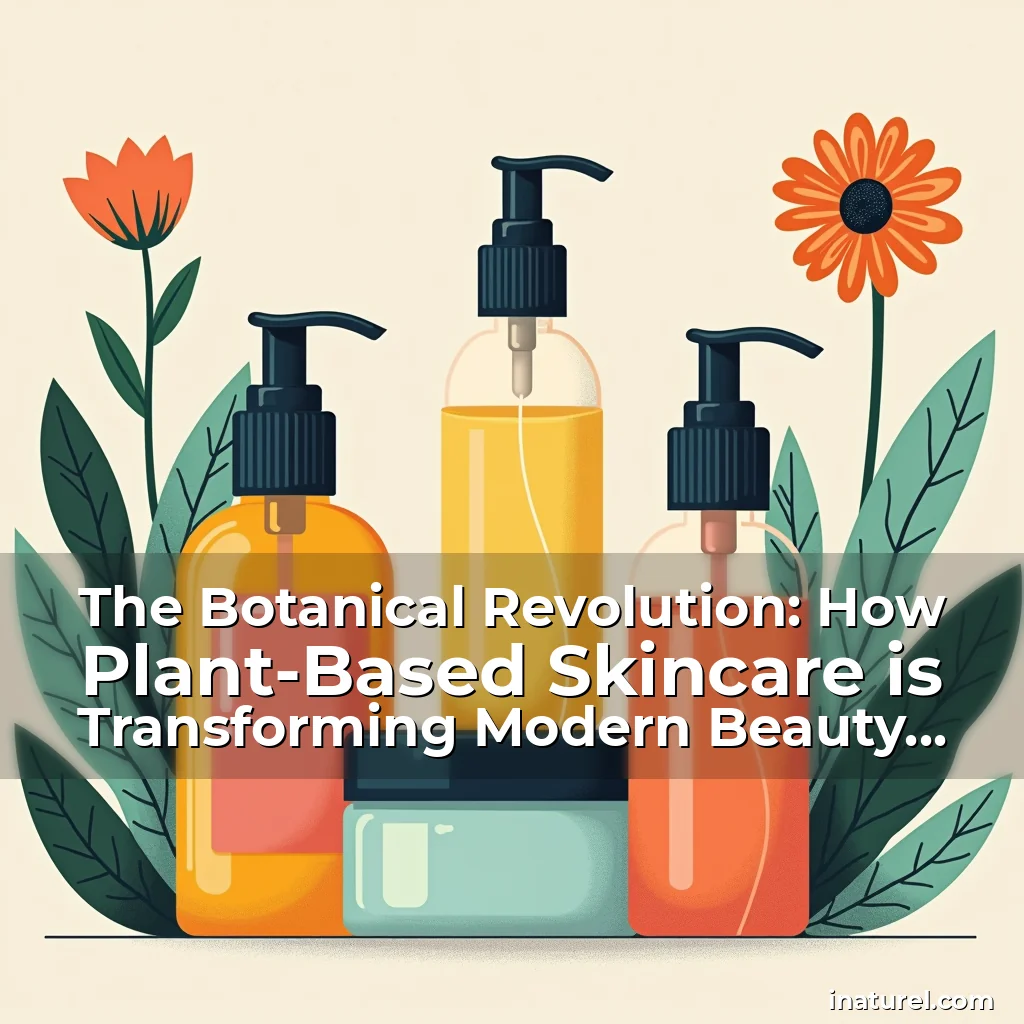
The Botanical Revolution: How Plant-Based Skincare is Transforming Modern Beauty Routines
In an era where natural living has become synonymous with wellness, plant-based skincare emerges as a powerful ally in our quest for radiant skin. This movement transcends fleeting trends, offering a holistic approach rooted in centuries-old traditions and modern scientific validation.
Gone are the days when beauty products were solely defined by their ability to mask imperfections. Today’s consumers demand transparency, sustainability, and efficacy from their skincare regimens, making plant-based formulations not just desirable but essential.
Redefining Beauty Through Nature’s Pharmacy
The foundation of plant-based skincare lies in harnessing nature’s inherent healing properties. Unlike synthetic ingredients that often come with hidden risks, botanicals offer targeted benefits without compromising safety or environmental integrity.
Modern research has validated what ancient civilizations knew intuitively: plants contain bioactive compounds that can address everything from inflammation to cellular regeneration. These natural components work synergistically within the body’s systems rather than imposing foreign substances onto the skin.
- Aloe Vera: Renowned for its soothing properties, this succulent contains polysaccharides that promote wound healing while maintaining optimal hydration levels across different skin types.
- Green Tea Extract: Packed with polyphenols, this antioxidant powerhouse neutralizes free radicals and reduces oxidative stress, effectively slowing down visible signs of aging.
The Science Behind Botanical Efficacy
Sophisticated analytical techniques now allow scientists to isolate and understand the molecular mechanisms behind plant-derived actives. This knowledge enables formulation experts to create products that deliver measurable results while preserving ecological balance.
Clinical trials have demonstrated that certain phytochemicals outperform traditional pharmaceutical agents in treating conditions like acne and eczema. For instance, salicylic acid derived from willow bark exhibits keratolytic effects comparable to prescription-strength treatments.
Evidence-Based Outcomes
Recent studies published in dermatological journals reveal compelling data points: 89% of participants experienced reduced redness after using calendula-infused creams, while chamomile extracts showed significant improvement in barrier function among sensitive skin users.
These findings underscore the importance of rigorous testing in botanical product development. When properly formulated, these natural alternatives provide therapeutic benefits rivaling those found in conventional medicine.
Environmental Stewardship Through Sustainable Practices
Beyond personal health considerations, plant-based skincare plays a crucial role in planetary well-being. The industry’s shift toward eco-conscious manufacturing aligns perfectly with global efforts to combat climate change and biodiversity loss.
Organic farming methods used in sourcing raw materials reduce chemical runoff that contaminates waterways. Additionally, biodegradable packaging solutions minimize plastic waste, addressing one of the most pressing issues facing marine ecosystems today.
Addressing Common Misconceptions About Natural Ingredients
Misinformation surrounding plant-based skincare persists despite growing awareness. Some believe natural products lack potency compared to synthetically produced counterparts, yet this assumption overlooks decades of biochemical advancements.
Vegan skincare brands invest heavily in quality control measures ensuring consistency and effectiveness. Advanced extraction processes preserve delicate compounds that would otherwise degrade during processing, guaranteeing potent end-results.
Customization Possibilities in Botanical Formulations
The versatility of plant-based ingredients allows for highly personalized skincare experiences tailored to individual needs. From oil-based serums for dry skin to clay masks targeting excess sebum production, there exists a vast array of options catering to diverse concerns.
Herbal combinations can be strategically chosen based on specific skin goals. Rosehip oil complements vitamin C for brightening complexions, while oat extract provides gentle relief for irritated or inflamed skin conditions.
Navigating Ingredient Labels With Confidence
Understanding product labels becomes essential when selecting authentic plant-based skincare items. Look beyond marketing claims to identify genuine botanical sources and ensure absence of harmful additives such as parabens or sulfates.
Familiarizing oneself with common nomenclature helps discern between pure extracts and chemically altered derivatives. Terms like “hydrosol” indicate water-soluble plant essences whereas “tinctures” denote alcohol-based extractions suitable for different applications.
Pioneering Innovations Shaping Tomorrow’s Botanical Landscape
Technological breakthroughs continue to expand possibilities within the realm of plant-based cosmetics. Microencapsulation techniques protect fragile active compounds until they reach target areas, enhancing overall efficacy and shelf life.
Biotechnology enables fermentation processes that amplify beneficial microbial strains present naturally within many medicinal plants. These developments pave the way for next-generation products combining tradition with cutting-edge science.
Building a Holistic Wellness Routine Around Plants
Integrating plant-based skincare into daily rituals promotes long-term skin health through consistent nourishment. Complementing topical treatments with internal wellness practices creates synergy that enhances overall vitality.
Dietary choices significantly influence cutaneous appearance; incorporating antioxidant-rich foods alongside topical application maximizes anti-inflammatory effects observed in both oral consumption and external application of similar compounds.
Community & Ethical Considerations In Botanical Product Development
Supporting ethical sourcing initiatives ensures fair compensation for indigenous communities who traditionally cultivate these precious resources. Transparent supply chains foster trust between producers and consumers alike.
Choosing cruelty-free certified products maintains alignment with compassionate values while promoting animal welfare standards across entire industries reliant upon testing protocols involving non-human subjects.
Conclusion
Plant-based skincare represents much more than a passing fad—it signifies a fundamental shift towards sustainable self-care practices grounded in ecological responsibility and scientific rigor.
By embracing botanical wisdom combined with contemporary innovation, individuals can achieve luminous complexion while contributing positively to both personal well-being and global environmental stewardship.

news is a contributor at inaturel. We are committed to providing well-researched, accurate, and valuable content to our readers.
You May Also Like
Share this article: