

Table of Contents
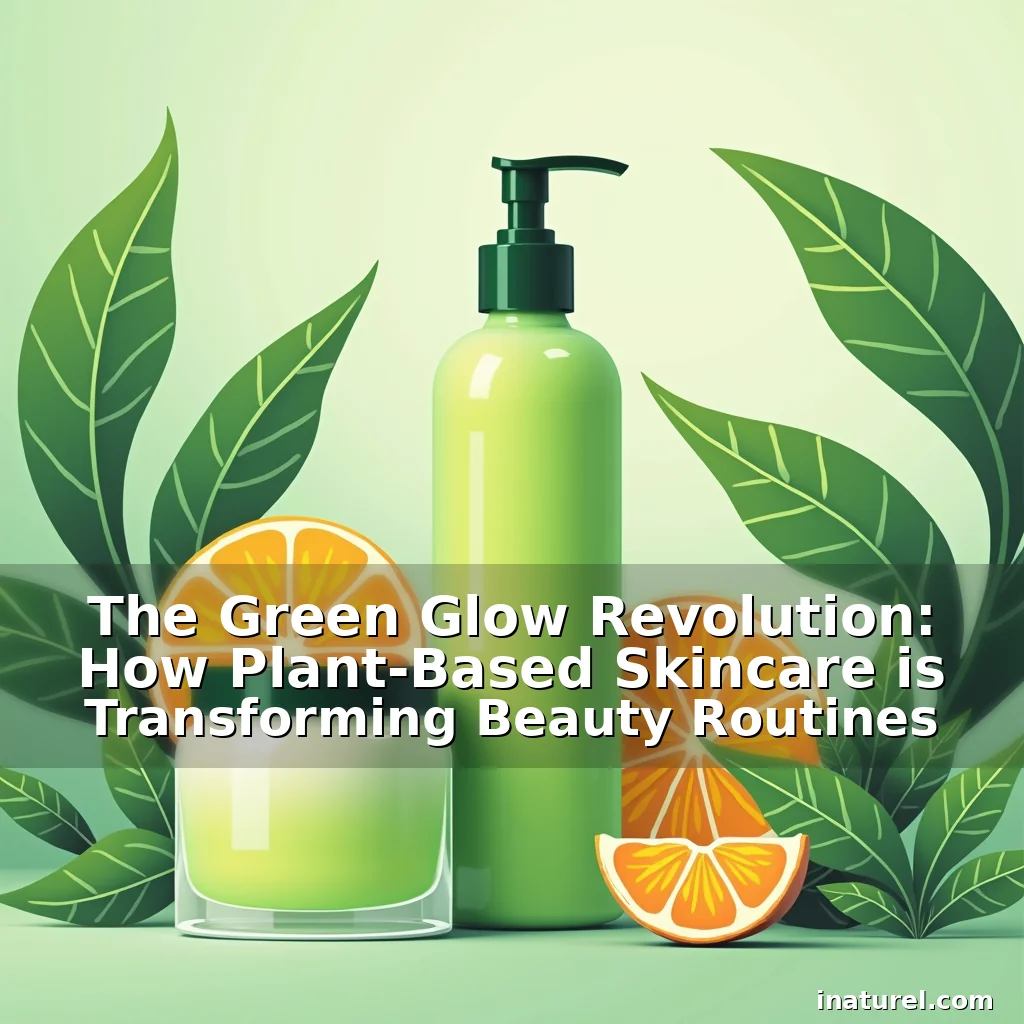
The Green Glow Revolution: How Plant-Based Skincare is Transforming Beauty Routines
In an era where wellness and sustainability are intertwined, plant-based skincare has emerged as a powerful movement reshaping modern beauty rituals. This holistic approach harnesses nature’s bounty to deliver effective, ethical solutions that align with conscious consumer values.
Gone are the days when natural ingredients were seen as less potent than synthetic alternatives. Today’s botanical formulations combine scientific rigor with time-tested herbal wisdom to create products that nourish skin while respecting planetary boundaries.
The Science Behind Nature’s Powerhouse Ingredients
Skin health begins at the cellular level, and plants offer a wealth of bioactive compounds that support this foundation. From antioxidants to anti-inflammatory agents, these naturally occurring elements work synergistically to enhance skin resilience.
Phytochemicals found in fruits, vegetables, and herbs have been extensively studied for their dermatological benefits. Research shows that polyphenols from green tea can neutralize free radicals up to three times more effectively than some synthetic antioxidants.
- Aloe vera: Contains over 75 nutrients including vitamins A, C, and E which promote cell regeneration and hydration
- Green tea extract: Rich in catechins that combat oxidative stress and reduce sebum production
- Coffee berry extract: Provides caffeine that improves circulation and reduces puffiness
These plant-derived components often outperform synthetic counterparts by working in harmony with the body’s own healing processes rather than disrupting them through harsh chemical reactions.
Modern formulation techniques now allow for precise delivery systems that maximize the efficacy of these natural actives without compromising product stability or shelf life.
Environmental Impact and Ethical Considerations
Beyond personal health benefits, plant-based skincare addresses critical environmental concerns facing our planet today. The traditional beauty industry contributes significantly to plastic waste and water pollution through its manufacturing processes.
Eco-conscious brands prioritize sustainable sourcing practices that protect biodiversity while ensuring long-term viability of key ingredients. For example, fair trade partnerships help preserve heirloom crop varieties that might otherwise disappear due to industrial agriculture trends.
Industry Statistics That Matter
According to a 2023 report by Grand View Research, the global plant-based skincare market is projected to reach $38.6 billion by 2030, growing at a compound annual rate of 9.2%. This surge reflects shifting consumer priorities towards environmentally responsible choices.
Consumers are willing to pay premium prices for ethically sourced products – Nielsen data reveals 66% of shoppers prefer brands demonstrating strong corporate social responsibility commitments.
How to Identify Authentic Plant-Based Products
Navigating the crowded beauty landscape requires discernment to distinguish genuinely plant-powered formulas from those using minimal natural ingredients as marketing tools. Understanding label reading becomes essential for informed purchasing decisions.
Look beyond vague claims like “natural” or “eco-friendly.” Certified organic labels from recognized bodies such as USDA Organic or Ecocert provide verifiable assurance about ingredient quality and production standards.
Watch for certifications indicating cruelty-free testing and carbon-neutral manufacturing processes. These credentials ensure your purchase supports both animal welfare and climate action initiatives.
Be wary of products containing synthetic fragrances, parabens, sulfates, and other potentially harmful chemicals commonly masked under terms like “fragrance” or “preservatives.”
Routine Integration: Building Your Botanical Regimen
Transitioning to plant-based skincare doesn’t require an immediate overhaul but can be approached gradually through thoughtful routine adjustments. Assess current needs before selecting new products to avoid unnecessary changes that may disrupt existing skin balance.
Start by replacing one product at a time, observing how each change affects your complexion. This method allows you to identify any adverse reactions and determine what works best for your individual skin type.
Morning routines typically benefit most from antioxidant-rich serums paired with moisturizers containing hyaluronic acid derived from fermented wheat germ or vegetable glycerin sources.
Evening regimens should emphasize repair and renewal with plant oils like rosehip or marula oil that contain essential fatty acids crucial for maintaining skin barrier function overnight.
Debunking Common Myths About Natural Skincare
Despite growing popularity, misconceptions persist about the effectiveness and practicality of plant-based skincare options. Addressing these myths helps clarify why botanical approaches deserve serious consideration alongside conventional treatments.
One prevalent myth suggests natural products lack potency compared to pharmaceutical-grade formulas. However, clinical studies show many plant extracts match or exceed synthetic equivalents in treating common conditions like acne and eczema.
Another concern revolves around product consistency and longevity. Modern preservation methods enable stable formulations without relying on controversial preservatives, proving that natural doesn’t mean compromised quality.
Dermatologists increasingly recommend plant-based alternatives for sensitive skin types who often react poorly to synthetic additives commonly used in commercial cosmetics.
The Future of Botanical Innovation in Skincare
Ongoing research continues to uncover novel applications for plant-derived compounds, pushing the boundaries of what’s possible in skincare science. Advances in biotechnology are enabling more targeted delivery systems that enhance absorption rates while minimizing wastage.
Microencapsulation technology now protects delicate active ingredients during storage, releasing them only upon contact with skin. This innovation ensures optimal performance even after extended periods post-opening.
Biodegradable packaging solutions made from cornstarch or mushroom mycelium represent another frontier in eco-conscious product design. These materials decompose naturally within months unlike traditional plastics that linger for centuries.
Personalized skincare is also emerging through AI-driven analysis of genetic markers combined with botanical databases to tailor treatment plans based on individual biology and lifestyle factors.
Finding Your Perfect Botanical Match
Selecting the right plant-based products involves understanding your unique skin profile and what issues you aim to address. Different botanicals target distinct concerns making strategic selection vital for achieving desired results.
Prominent examples include calendula for soothing irritation, chamomile for calming redness, and licorice root for brightening dark spots. Matching these properties with specific skin challenges leads to more effective outcomes.
Consider seasonal variations too – lightweight, non-comedogenic formulas suit warmer months whereas richer textures with added humectants become preferable during colder seasons when skin tends to dry out faster.
Consultation with certified aromatherapists or herbalists can provide deeper insight into combining various plant essences for enhanced therapeutic effects tailored specifically to your needs.
Conclusion
The shift toward plant-based skincare represents much more than a passing trend; it signifies a fundamental rethinking of how we define beauty care. By embracing nature’s gifts, we cultivate healthier habits for ourselves and future generations alike.
To begin your journey, start simple – choose one plant-powered product to integrate into your daily ritual and observe the positive transformations unfolding over time. Let this process guide you toward discovering what truly nurtures your skin’s innate radiance.

news is a contributor at inaturel. We are committed to providing well-researched, accurate, and valuable content to our readers.
You May Also Like

Share this article: