
Table of Contents
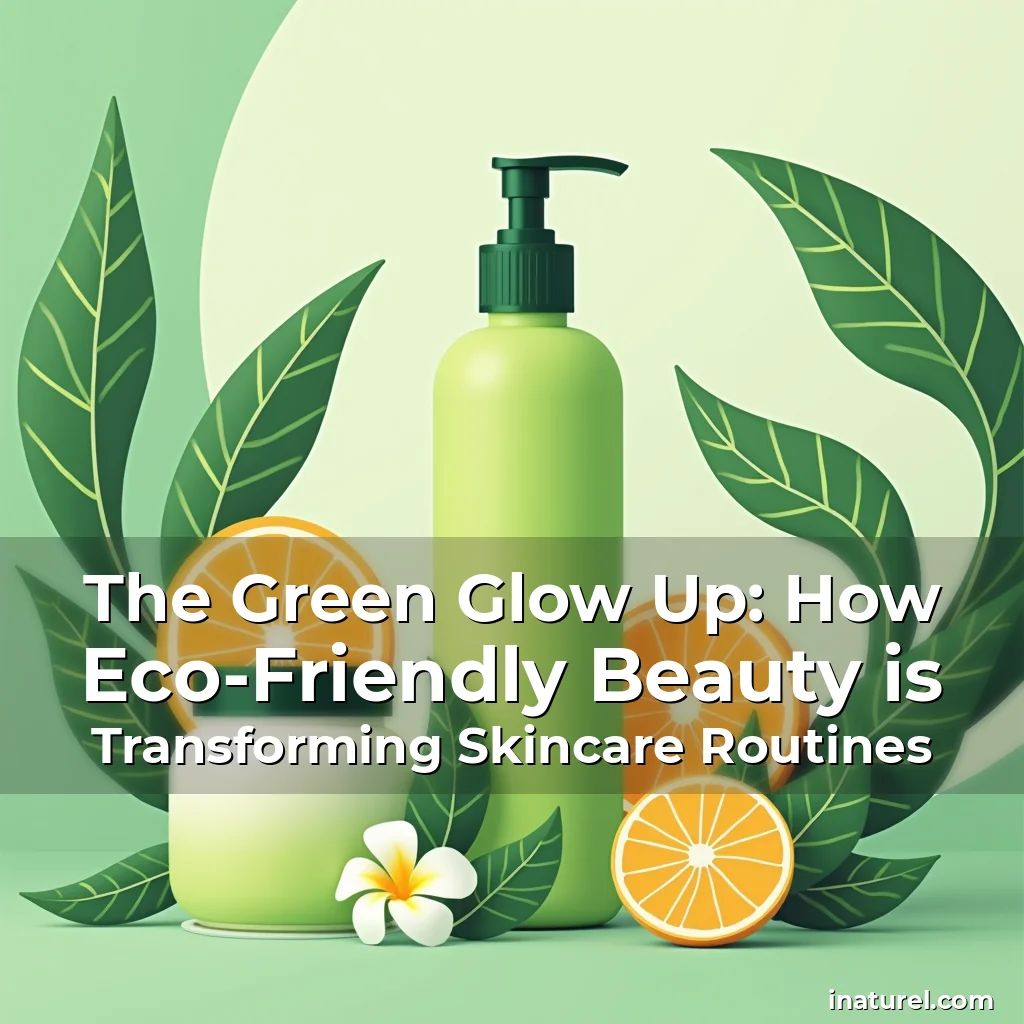
The Green Glow Up: How Eco-Friendly Beauty is Transforming Skincare Routines
In an era where climate consciousness shapes every purchasing decision, the world of skincare has undergone a remarkable transformation. The once-luxurious concept of eco-friendly beauty is now a mainstream movement that’s redefining how we care for our skin while protecting the planet.
This revolution goes far beyond simple recyclable packaging. It encompasses everything from biodegradable ingredients to carbon-neutral production methods, creating a holistic approach to personal grooming that benefits both individuals and the environment.
Redefining Sustainability in Skincare
Eco-friendly beauty challenges traditional notions of luxury by proving that sustainability can be synonymous with elegance. This shift represents a fundamental change in how consumers perceive value in their skincare products.
Modern eco-conscious brands are reimagining what constitutes high-quality skincare through innovative approaches such as closed-loop systems and zero-waste manufacturing processes. These advancements demonstrate that environmental responsibility doesn’t have to compromise product efficacy.
- Biodegradable packaging: Companies like Lush Cosmetics lead the way with naked products that eliminate plastic waste entirely.
- Circular economy models: Brands such as Aveda implement take-back programs where empty containers are returned for reuse or recycling.
The Environmental Impact of Conventional Skincare
Traditional skincare routines often come at significant environmental costs. From single-use plastics to chemical runoff, conventional beauty practices contribute to global pollution crises.
Average consumers may not realize that a typical skincare routine generates over 160 pounds of plastic waste annually. This staggering figure highlights the urgent need for sustainable alternatives in the industry.
Chemical Contaminants in Water Systems
More than 80% of water sources worldwide contain microplastics derived from cosmetic products. These tiny pollutants disrupt aquatic ecosystems and accumulate in the food chain.
Furthermore, synthetic chemicals used in many skincare formulations persist in the environment for decades after application. This long-term contamination poses serious risks to marine life and human health alike.
Innovations Driving the Eco-Beauty Movement
Technological breakthroughs are accelerating the transition toward greener beauty solutions. Researchers are developing bio-based materials that offer the same performance as petroleum-derived compounds without ecological harm.
One groundbreaking innovation involves algae cultivation for natural emollients. Algae farming sequesters CO₂ while producing renewable resources that replace petrochemical ingredients in moisturizers and serums.
Beyond the Bottle: Ethical Considerations
Eco-friendly beauty extends beyond ingredient sourcing to include ethical labor practices and fair trade principles. Conscious consumers increasingly demand transparency across the entire supply chain.
Premium eco-brands invest heavily in traceability systems that allow customers to verify each component’s origin. This level of accountability ensures responsible sourcing from farm to finished product.
Animal Welfare Standards
Over 100 million animals are tested on globally each year for cosmetics development. Cruelty-free certification programs help identify brands committed to humane research methods.
Leading cruelty-free organizations like Leaping Bunny maintain strict criteria ensuring no animal testing occurs at any stage of product development, including subcontractors and raw material suppliers.
The Science Behind Clean Ingredients
Sustainable beauty requires rigorous scientific validation to ensure effectiveness isn’t compromised. Research institutions are collaborating with eco-brands to develop formulas that deliver results without harmful additives.
Studies show that plant-based actives can match synthetic compounds in potency when properly formulated. For example, bakuchiol – a natural alternative to retinol – provides similar anti-aging benefits without irritating properties.
Economic Benefits of Sustainable Practices
Adopting eco-friendly strategies offers financial advantages alongside environmental benefits. Businesses implementing green initiatives report increased customer loyalty and reduced operational costs.
Energy-efficient manufacturing processes lower utility expenses, while bulk purchasing agreements with organic farms reduce procurement costs. These savings enable companies to reinvest in further sustainability efforts.
Consumer Empowerment Through Education
Knowledge empowers consumers to make informed choices about their skincare routines. Educational campaigns play a crucial role in demystifying complex terms like “greenwashing.”
Recognizing authentic eco-certifications helps shoppers avoid misleading marketing claims. Certifications such as Ecocert provide verifiable standards that guarantee genuine sustainability credentials.
Navigating the Eco-Beauty Landscape
The growing market presents both opportunities and challenges for discerning buyers. Understanding key indicators of truly sustainable products becomes essential in avoiding superficial green marketing tactics.
Look for multi-tier certifications rather than vague labels claiming “natural” status. Comprehensive eco-labels cover aspects ranging from ingredient safety to carbon footprint calculations.
Building a Truly Sustainable Routine
Create your personalized eco-beauty regimen by starting with small changes that gradually build into meaningful habits. Replace one non-recyclable product at a time with certified sustainable alternatives.
Favor multi-functional products that serve several purposes simultaneously. A cream that acts as both moisturizer and sunscreen reduces overall consumption and packaging waste.
The Future of Personal Care
Ongoing innovations promise even greater strides in sustainable beauty. Scientists are exploring lab-grown skin cells for regenerative treatments that could eliminate the need for invasive procedures.
Advancements in nanotechnology may soon enable targeted delivery systems that maximize ingredient efficiency, reducing the quantities required for effective treatment outcomes.
Conclusion
The journey toward eco-friendly beauty reflects a broader cultural shift towards planetary stewardship. By embracing sustainable practices, we’re reshaping the future of personal care while safeguarding our shared environment.
Start today by evaluating your current skincare collection against these principles. Every conscious choice contributes to a healthier planet and paves the way for a more sustainable tomorrow in the beauty industry.

news is a contributor at inaturel. We are committed to providing well-researched, accurate, and valuable content to our readers.
You May Also Like
Share this article: