
Table of Contents
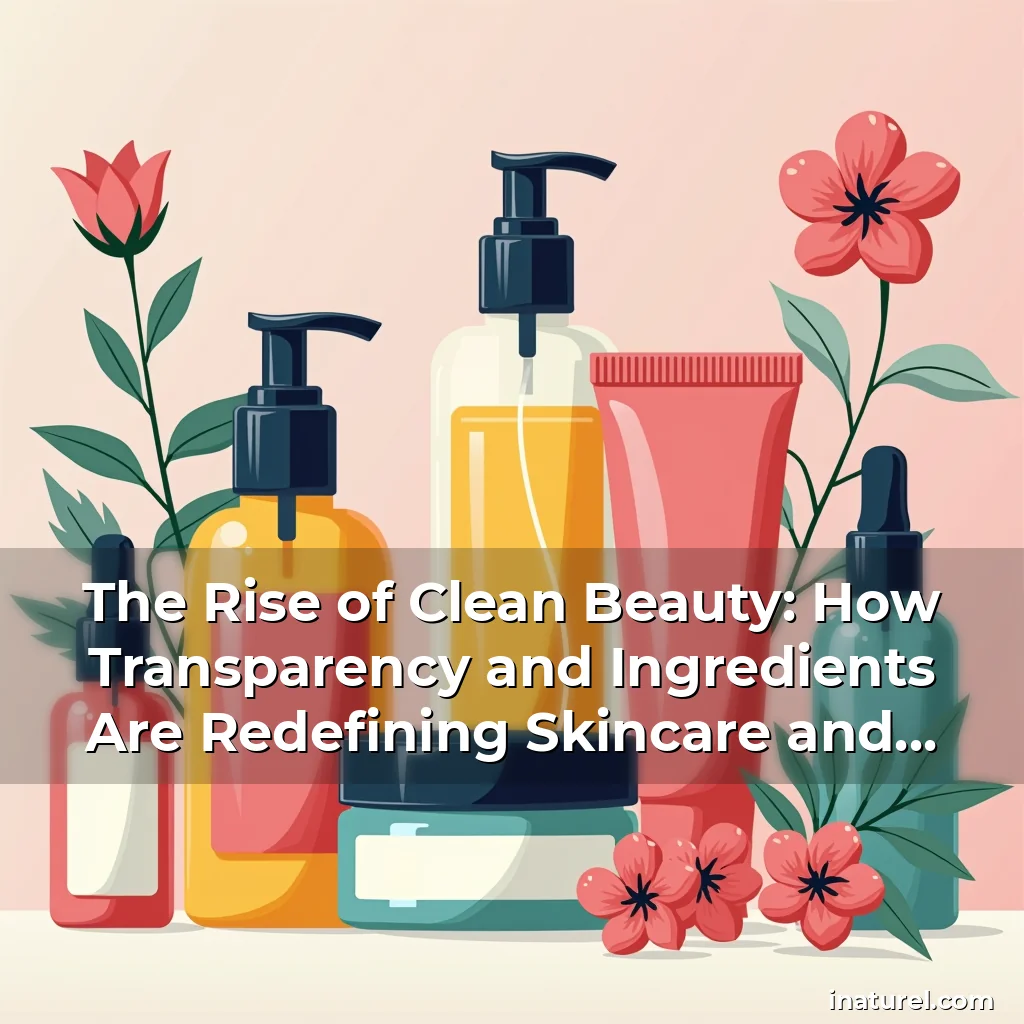
The Rise of Clean Beauty: How Transparency and Ingredients Are Redefining Skincare and Makeup
In recent years, a transformative movement has swept through the beauty industry, challenging traditional norms and reshaping consumer expectations. This shift, known as the “clean beauty” revolution, prioritizes transparency, ethical sourcing, and scientifically-backed formulations over flashy marketing and potentially harmful ingredients.
Driven by growing awareness of health concerns, environmental impact, and corporate accountability, clean beauty represents a return to simplicity—both in product composition and brand ethos. It’s not merely a trend; it’s a lifestyle choice that reflects deeper values around personal well-being and sustainability.
What Exactly Is Clean Beauty?
Clean beauty refers to products formulated without toxic chemicals, synthetic additives, and questionable ingredients often found in conventional cosmetics. The term encompasses skincare, makeup, haircare, and even fragrance products that meet rigorous standards for safety and efficacy.
Distinguishing true clean beauty from greenwashing requires understanding what makes an ingredient “safe.” Brands committed to this philosophy avoid parabens, sulfates, phthalates, and other substances linked to hormonal disruptions or long-term health risks.
- No Parabens: These preservatives prevent microbial growth but have been associated with endocrine disruption when used in high concentrations.
- Sulfate-Free Formulations: SLS (sodium lauryl sulfate) can strip natural oils from skin and cause irritation, especially for those with sensitive complexions.
Moreover, clean beauty brands prioritize non-toxic alternatives such as plant-based emulsifiers, mineral pigments, and naturally derived preservatives like rosemary extract or vitamin E.
The core principle behind clean beauty lies in its commitment to informed consumers who seek out safe, effective products while supporting companies that align with their values. This includes fair labor practices, cruelty-free testing methods, and sustainable packaging solutions.
The Science Behind Safe Skincare
Beneath every clean beauty product lies a foundation built upon scientific research and dermatological expertise. Unlike many mass-market offerings that rely heavily on unproven claims, reputable clean beauty brands invest in clinical trials and peer-reviewed studies before launching new formulas.
One key aspect of this science involves understanding how different compounds interact within the body. For example, some essential oils may offer therapeutic benefits when applied topically but could be dangerous if ingested orally—a distinction crucial for formulators developing multi-purpose products.
Evidence-Based Ingredient Selection
Reputable clean beauty brands meticulously vet each component they use based on extensive research conducted by independent laboratories worldwide. They cross-reference databases maintained by organizations like the Environmental Working Group (EWG) which rate thousands of cosmetic ingredients according to potential toxicity levels.
This process ensures that only those materials deemed safe at typical usage concentrations make it into final products. Additionally, these brands often collaborate with certified dermatologists during formulation stages so that both safety profiles and desired effects are thoroughly evaluated beforehand.
By adhering strictly to evidence-based selection criteria rather than relying solely on anecdotal reports or celebrity endorsements, genuine clean beauty companies build trust among discerning customers looking for reliable results without compromising their health.
Such rigorous evaluation also helps differentiate authentic clean beauty initiatives from superficial campaigns aimed primarily at capturing market share through vague promises rather than delivering tangible improvements in user experience or wellness outcomes.
Why Consumers Choose Clean Beauty
A primary motivator driving individuals toward clean beauty choices stems from heightened concern regarding chemical exposure and its possible consequences on overall health. Many people now actively monitor labels for any signs of dubious components before making purchases.
Additionally, there exists widespread skepticism towards big corporations whose business models sometimes prioritize profit margins above all else—including customer safety considerations. As a result, shoppers increasingly favor smaller indie brands perceived as more transparent about manufacturing processes and supply chain ethics.
Environmental consciousness plays another significant role too; numerous clean beauty advocates highlight issues related to plastic waste generated by single-use containers commonly found across mainstream retail channels today.
To address these ecological worries responsibly, leading clean beauty firms implement eco-friendly packaging strategies ranging from refillable glass jars to biodegradable tubes made entirely from renewable resources harvested sustainably under strict regulations.
Finding Authentic Clean Beauty Products
Navigating the vast array of options available online can feel overwhelming given how frequently terms like ‘green’ or ‘eco-conscious’ get misused by less scrupulous marketers trying to capitalize off current trends without actually changing anything substantial about their production methodologies.
Before purchasing any item labeled as ‘clean,’ savvy buyers should check certifications issued by recognized third-party agencies such as Leaping Bunny (for cruelty-free verification), Ecocert (European organic standard), or USDA Organic (U.S.-based certification). These seals serve as indicators that certain minimum quality benchmarks have been met independently verified by experts outside direct company influence.
Also useful tools include mobile applications designed specifically for scanning barcodes instantly revealing detailed information about individual product contents along with expert assessments highlighting red flags worth noting prior committing funds anywhere near your face.
Engaging directly with manufacturers via social media platforms provides further insight into operations behind scenes including discussions about raw material procurement sources used throughout various phases involved creating finished goods ready sale nationwide distribution networks.
Common Misconceptions About Clean Beauty
Despite increasing popularity surrounding clean beauty ideals, several misconceptions persist among newcomers unfamiliar with nuances distinguishing legitimate efforts versus mere branding tactics intended misleading impression buyers believing something healthier simply because branded differently than usual competitors offering similar services elsewhere marketplaces.
For instance, some assume all natural ingredients automatically equate safer alternatives despite existence plenty cases where botanical extracts might contain allergenic properties capable triggering severe reactions depending particular person sensitivity thresholds present genetically determined factors influencing immune responses encountered foreign agents introduced externally environment.
Another prevalent myth suggests clean beauty products inherently cost significantly more expensive compared traditional counterparts although reality varies widely depending specific brand positioning strategy employed whether focusing premium pricing due exclusive partnerships limited edition releases featuring rare superfoods extracted exclusively regions renowned cultivating highest quality specimens year round harvest cycles ensuring optimal potency delivered consistently across batches produced simultaneously multiple locations globally coordinated logistics systems managing inventory efficiently minimizing spoilage risk during transit periods required transporting perishables internationally.
While select luxury items indeed command higher price points reflecting superior craftsmanship investment undertaken producing them carefully curated selections accessible wide range budgets thanks innovative approaches reducing overhead costs through vertical integration allowing control entire value chain beginning initial sourcing ending final delivery doorstep consumer irrespective geographic location served effectively maintaining consistent level service excellence expected modern era digital connectivity enabling instant communication facilitates real-time updates regarding stock availability promotional offers tailored preferences recorded previous interactions captured analytics utilized refining future recommendations personalized experiences enhancing engagement fostering loyalty among repeat purchasers continually returning shop replenish supplies regularly maintain routines established daily self-care rituals integral maintaining appearance confidence projecting positive image society places emphasis visual aesthetics.
How to Build Your Own Clean Beauty Routine
Create a personalized routine by first identifying your skin type and concerns. Whether you have oily, dry, combination, or sensitive skin, knowing your needs will guide you in selecting appropriate products free from harmful chemicals.
Begin with a gentle cleanser suitable for your skin type followed by moisturizer containing hydrating ingredients like hyaluronic acid or ceramides. These basics help maintain healthy moisture balance without stripping away natural oils.
If using makeup, opt for mineral foundations composed of finely milled minerals instead of petroleum-derived synthetics. Look for brands utilizing zinc oxide or titanium dioxide as active sunscreen agents since these provide physical barriers against UV radiation rather than absorbing light chemically.
Eye creams targeting fine lines or puffiness should ideally feature peptides or caffeine derivatives known stimulants circulation promoting firmness visibly rejuvenated appearance. Avoid products listing retinyl palmitate unless prescribed medically due possibility causing irritation particularly delicate eyelid areas prone sensitivities.
Include exfoliating treatments once weekly employing alpha hydroxy acids (AHAs) derived from fruits like citrus peelings or beta hydroxy acids (BHAs) sourced primarily salicylic acid obtained from willow bark extract. Both types assist sloughing dead cells revealing smoother texture underneath however excessive frequency advised caution preventing microtears damaging barrier function compromised prematurely aging accelerated.
Lastly don’t forget lip balms enriched shea butter jojoba oil providing necessary protection keeping lips soft supple throughout day avoiding harsh waxes potentially clogging pores leading uncomfortable chapped conditions requiring frequent reapplication disrupting workflow productivity schedules demanding consistency reliability performance traits valued highly professional environments requiring polished appearances maintained effortlessly without constant maintenance interruptions affecting efficiency effectiveness tasks assigned daily responsibilities.
The Role of Sustainability in Clean Beauty
Sustainability is a cornerstone of the clean beauty movement, extending beyond ingredient purity to encompass responsible sourcing, minimal environmental footprint, and ethical business practices. True clean beauty brands recognize that their impact doesn’t stop at the bottle—it begins with how they source raw materials and ends with how they dispose of packaging.
Many clean beauty companies partner with local farmers and cooperatives to ensure fair wages and environmentally friendly farming techniques. By supporting regenerative agriculture, these brands contribute to soil health and biodiversity preservation while securing a steady supply of high-quality natural ingredients.
Packaging innovations play a vital role in sustainable clean beauty. From recyclable aluminum tubes to compostable paper wraps, forward-thinking brands are finding creative ways to reduce plastic waste without sacrificing convenience or product integrity.
Some pioneering companies even take responsibility for their carbon emissions by investing in renewable energy projects or offsetting their footprints through tree-planting initiatives. These actions reflect a holistic approach to sustainability that resonates deeply with conscious consumers seeking alignment between their values and the products they choose.
Furthermore, clean beauty advocates emphasize the importance of water conservation, urging both manufacturers and users to adopt practices that minimize wastage. This includes using concentrated formulas that require less water during production and encouraging consumers to reuse or recycle empty containers whenever possible.
Transparency in reporting environmental metrics is becoming increasingly common among credible clean beauty brands. Detailed disclosures about energy consumption, transportation emissions, and waste management programs allow customers to make informed decisions aligned with their own sustainability goals.
Future Trends Shaping Clean Beauty
The evolution of clean beauty continues to accelerate, driven by technological advancements, regulatory changes, and shifting consumer demands. Emerging trends suggest a future where innovation meets ethical responsibility in unprecedented ways.
One notable development is the rise of bioengineered ingredients created through fermentation technology. These lab-grown components offer the same benefits as their natural counterparts but with greater consistency and reduced environmental impact from cultivation processes.
Artificial intelligence is also playing an increasingly prominent role in customizing skincare regimens. AI-powered apps analyze skin conditions and recommend targeted treatments using data-driven insights, helping users achieve better results with fewer products.
Regulatory landscapes are evolving too, with governments tightening restrictions on harmful chemicals and mandating clearer labeling requirements. These policies aim to protect consumers while holding brands accountable for truthful advertising and safe formulations.
Consumer education remains pivotal in shaping the direction of the clean beauty movement. As more people become aware of ingredient impacts and sustainable practices, demand for authentic, transparent brands will likely grow exponentially.
Ultimately, the future of clean beauty hinges on collaboration between innovators, regulators, and conscientious consumers working together toward shared objectives of health improvement, planetary stewardship, and equitable commerce benefiting everyone involved regardless status position life circumstances.
Conclusion
Clean beauty embodies a powerful fusion of health consciousness, environmental mindfulness, and ethical consumerism. Its principles extend far beyond simple aesthetic enhancements—they represent a profound commitment to living intentionally and thoughtfully within our world.
By embracing clean beauty, we empower ourselves to make choices that honor both personal well-being and collective responsibility toward future generations. Every purchase becomes an opportunity to support industries that prioritize transparency, sustainability, and compassion—an enduring legacy worthy celebrating championing everyday lives touched positively through mindful decision-making rooted deep respect nature humanity itself.

news is a contributor at inaturel. We are committed to providing well-researched, accurate, and valuable content to our readers.
You May Also Like
Share this article: