

Table of Contents
Understanding your undertone is crucial for selecting the right foundation and concealer.
Understanding Your Undertone
To determine your undertone, you need to look at the veins on the inside of your wrist. • If they appear blue or purple, you have a cool undertone. • If they appear green, you have a neutral undertone.
Understanding your undertones can help you choose the right makeup shades, clothing colors, and even hairstyles that complement your skin tone.
Warm Undertones
If you have a warm undertone, you’ll look best in colors that have a yellow or golden undertone. Some examples of colors that complement warm undertones include:
Neutral Undertones
If you have a neutral undertone, you’ll look best in colors that have a balanced undertone.
For a bolder look, a classic red shade with a bold lip liner can be a great option.
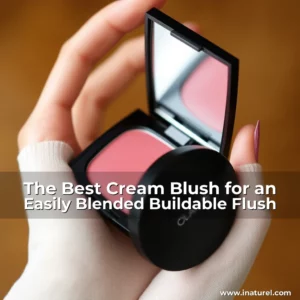
This moisturizing cream provides sheer to medium coverage, offering a natural-looking finish while protecting the skin with SPF 50. The buildable formula allows for customized coverage, suitable for most skin types, including sensitive skin.
Choosing the Right Metal for Your Skin Tone
When it comes to selecting the right metal for your gold jewellery, it’s essential to consider your skin tone. Different metals can either complement or clash with your skin tone, making a significant difference in how you look and feel when wearing your jewellery. • Gold, silver, and white metals are the most common types of metals used in jewellery. • Gold tends to flatter warm undertones, while silver suits cool undertones.
The Art of Highlighting Your Features
When it comes to highlighting your features, the key is to create a natural-looking glow that enhances your natural beauty.
Embracing Your Natural Glow
The Beauty of Pale Skin
Pale skin has long been associated with beauty and elegance, and for good reason. A smooth, even complexion can be truly stunning, and it’s not just about the aesthetics – pale skin can also be a sign of good health. • A study published in the Journal of Investigative Dermatology found that people with fair skin are less likely to develop skin cancer, as their skin is less prone to damage from the sun.
Preparing Your Skin for Makeup
Prepping your skin before makeup application is a crucial step that can make a significant difference in the overall look and feel of your makeup.
The Art of Choosing the Perfect Shade of Makeup
When it comes to choosing the perfect shade of makeup, it’s essential to consider your skin tone. The right shade can make all the difference in enhancing your natural beauty and creating a flawless look.
To achieve a flawless finish, it’s essential to blend, blend, blend!
The Art of Brow Shaping
Brow shaping is an essential aspect of personal grooming that can greatly impact one’s overall appearance.
Begin with a small amount of peach undertone and gradually increase the amount as needed.
Tips for Achieving Peach Undertones
To achieve peach undertones, it’s essential to start small and build up. This will help you avoid overwhelming the skin with too much warmth. • Start with a light hand when applying peach undertone products, such as foundation or blush.
Blend, blend, blend!
Setting the Foundation
To achieve a flawless ‘no makeup’ look, it’s essential to start with a solid foundation. A good foundation should match your skin tone and provide adequate coverage without looking cakey or heavy. When applying foundation, use a gentle, patting motion to blend it seamlessly into your skin. • Use a foundation brush or a beauty blender to apply the foundation, starting in the center of your face and working your way outwards.
A good cream eyeshud is a must-have for any makeup artist. It’s a versatile tool that can be used to create a variety of looks, from natural to dramatic.
The Art of Applying Bronzer
Choosing the Right Shade
When it comes to applying bronzer, the right shade is crucial. A bronzer that is too light can look unnatural, while one that is too dark can be overwhelming. The ideal shade should complement your natural skin tone, adding a subtle warmth without looking like you’re wearing a mask. • A good rule of thumb is to choose a shade that is only one or two shades darker than your natural tone. • Consider the undertones of your skin: if you have cool undertones, look for a bronzer with pink or purple undertones, while warm undertones look best with golden or peach undertones.
Key Takeaways
When it comes to selecting the right formula for your nail polish, there are several factors to consider.
For darker tones, cool shades like blue, purple and green can create a stunning contrast.
Wear the colours and styles that make you feel confident and happy.
Choosing the Right Foundation
When it comes to selecting a foundation, it can be overwhelming with the numerous options available. However, the key to finding the perfect foundation is to consider your skin type and needs. • Lightweight foundations are ideal for oily skin, as they won’t clog pores and provide a natural-looking finish.
Understanding Skin Undertones
Skin undertones are a crucial aspect of determining the right makeup shades and skincare products for your complexion. While it’s common to associate pale skin with a cool undertone, this isn’t always the case. In reality, skin undertones can vary greatly, and it’s essential to understand the different types to make informed decisions about your beauty routine.
A wide range of cream formulas are available, catering to different skin types and concerns.
Types of Cream Formulas
Cream formulas come in a range of textures and finishes, including:
Choosing the Right Cream Formula
When selecting a cream formula, consider the following factors:
To get the most out of your cream formula, follow these tips:
Conclusion
Cream formulas are a versatile and effective choice for achieving flawless coverage.

news is a contributor at inaturel. We are committed to providing well-researched, accurate, and valuable content to our readers.
You May Also Like



Share this article: