
Table of Contents
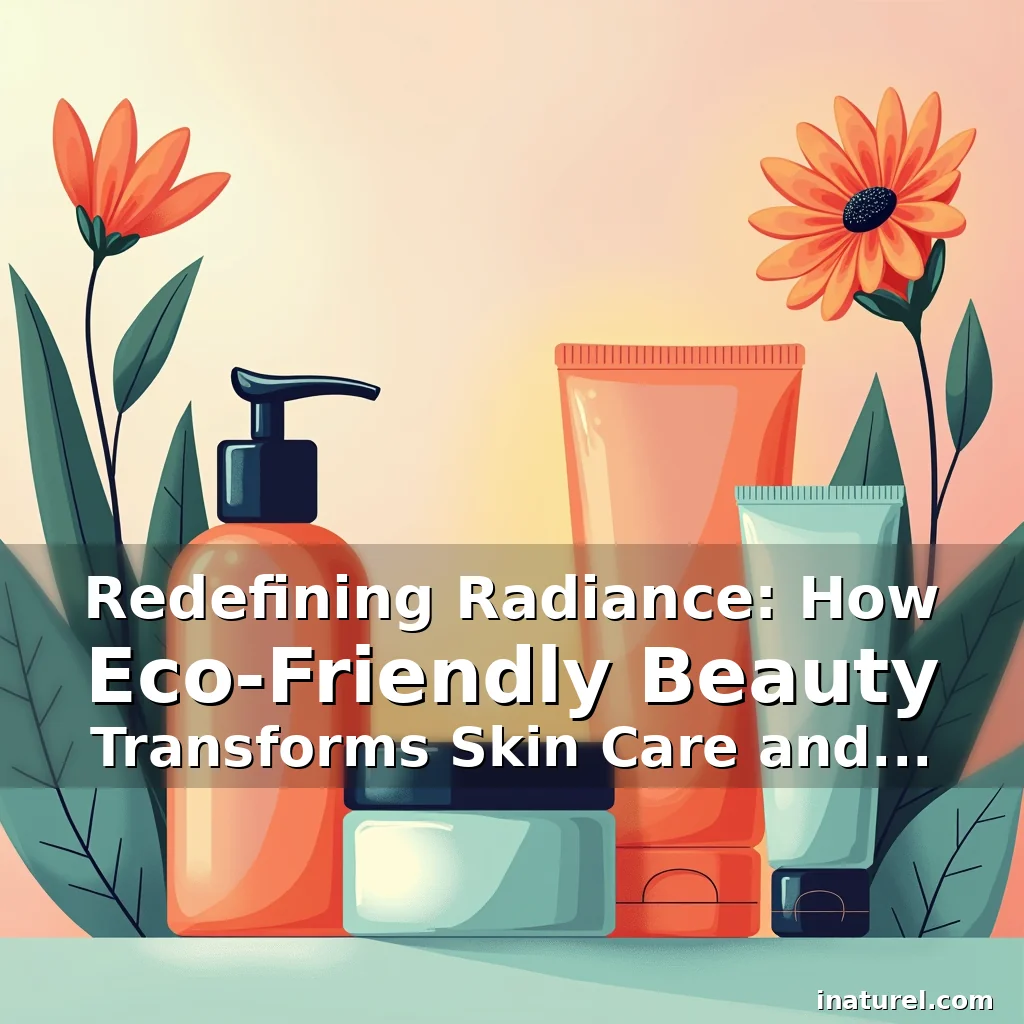
Redefining Radiance: How Eco-Friendly Beauty Transforms Skin Care and Sustainability
The global beauty industry is undergoing a profound shift toward sustainability, driven by growing awareness of environmental impact and health-conscious consumer choices. At the heart of this movement lies eco-friendly beauty—a holistic approach that prioritizes natural ingredients, ethical production, and minimal ecological footprints.
This transformation isn’t merely a trend; it represents a fundamental reimagining of how we care for our skin while safeguarding the planet. By embracing eco-friendly practices, individuals contribute to a healthier environment and foster long-term wellness.
The Philosophy Behind Eco-Friendly Beauty
Eco-friendly beauty transcends product labels to encompass a broader ethos rooted in mindfulness and responsibility. It emphasizes reducing harm to ecosystems, minimizing waste, and promoting transparency across supply chains.
This philosophy rejects exploitative practices such as animal testing, excessive plastic use, and greenwashing. Instead, it champions cruelty-free formulations, biodegradable packaging, and fair trade partnerships with local communities.
- Natural Ingredients: Prioritizing plant-based components reduces reliance on synthetic chemicals that often contain harmful toxins or require resource-intensive manufacturing processes.
- Circular Economy Principles: Brands adopting closed-loop systems recycle materials from old products to minimize landfill contributions, creating a regenerative cycle rather than linear consumption patterns.
Identifying Truly Sustainable Beauty Products
Distinguishing genuinely eco-friendly products requires scrutiny beyond marketing claims. Certifications like Leaping Bunny, Ecocert, and B Corp serve as reliable indicators of authenticity and ethical standards.
Consumers should investigate ingredient sources, verify carbon-neutral shipping methods, and assess whether brands disclose full formulation details. Transparency builds trust and ensures accountability within the industry.
The Role of Certifications in Consumer Trust
A study by Nielsen revealed that 66% of global consumers pay premiums for sustainable goods, emphasizing the importance of credible certifications. These seals validate rigorous audits of environmental and social compliance.
However, certification alone does not guarantee perfection. Supporting companies that actively reduce emissions, invest in renewable energy, and engage in habitat restoration efforts creates deeper impact than mere label adherence.
Sustainable Packaging Innovations Shaping the Industry
Packaging constitutes nearly 40% of the beauty sector’s environmental footprint, prompting innovative solutions like refillable containers, compostable tubes, and glass bottles designed for reuse.
Leading brands now collaborate with material scientists to develop bioplastics derived from algae or sugarcane, offering alternatives to petroleum-based plastics while maintaining functionality and aesthetics.
- Refill Stations: Urban centers increasingly feature kiosks allowing customers to replenish liquid foundations, serums, and shampoos at reduced costs, drastically cutting single-use plastic consumption.
- Bamboo Containers: Naturally antimicrobial properties make bamboo ideal for storing creams and oils, combining durability with rapid decomposition rates after end-of-life disposal.
Powerful Natural Ingredients Revolutionizing Skincare
Eco-friendly beauty thrives on harnessing nature’s potency, utilizing botanical extracts known for their therapeutic benefits without compromising planetary resources. Examples include rosehip oil, turmeric root, and shea butter—all rich in antioxidants and nutrients.
These ingredients are typically sourced ethically, ensuring fair compensation for farmers and preserving biodiversity. Their efficacy rivals many synthetic compounds while supporting regenerative agriculture models.
- Moringa Oil: Packed with vitamins A, C, and E, moringa promotes cellular renewal and hydration, becoming a staple in organic moisturizers due to its lightweight texture and high absorption rate.
- Charcoal: Activated charcoal filters impurities effectively, commonly found in cleansers that detoxify pores without stripping natural sebum or causing irritation.
Supporting Ethical Labor Practices Through Conscious Consumption
Eco-friendly beauty extends beyond product composition to encompass labor ethics. Choosing brands committed to fair wages, safe working conditions, and empowering marginalized groups fosters systemic change within developing economies.
Many companies partner directly with cooperatives, enabling women in rural areas to cultivate herbs or harvest beeswax sustainably. This model uplifts entire communities while producing premium raw materials.
- Cooperatives in Peru: Quinoa farms transitioning to organic cultivation provide stable incomes for indigenous families, simultaneously protecting Andean soil health through traditional farming techniques.
- Himalayan Salt Harvesters: Artisanal salt collection preserves ancient methods passed down generations, maintaining cultural heritage alongside environmentally responsible extraction practices.
The Environmental Impact of Traditional Beauty Routines
Conventional skincare routines often involve harsh chemicals that pollute waterways and disrupt aquatic life. Phosphates from shampoos, parabens from lotions, and microplastics from exfoliants accumulate over time, posing significant risks to marine ecosystems.
Moreover, conventional production relies heavily on fossil fuels for transportation and synthesis, contributing to greenhouse gas emissions. The average makeup application
DIY Beauty Solutions for the Environmentally Conscientious
Creating homemade skincare products allows complete control over ingredients, eliminating preservatives, stabilizers, and artificial fragrances. Simple recipes using honey, oatmeal, or avocado offer effective treatments without harming the planet.
Homemade remedies also reduce packaging waste since bulk purchases of essential oils, carrier oils, and powders replace individual product containers. Glass jars and reusable cloth pouches become stylish storage vessels.
- Face Masks: Mixing ground flaxseeds with yogurt produces a nourishing mask that firms skin while leveraging plant-based proteins for collagen stimulation.
- Lip Balms: Combining coconut oil with beeswax yields a protective balm free from petroleum derivatives, perfect for dry lips during colder months.
Overcoming Challenges in the Transition to Eco-Friendliness
Despite rising demand, barriers remain—including higher prices for certified products and limited availability in certain regions. Additionally, misinformation about “green” credentials complicates informed decision-making.
To address these issues, governments and organizations must enforce stricter regulations against misleading advertising while subsidizing small businesses adopting greener practices. Public education campaigns can demystify complex terminology related to sustainability metrics.
- Price Parity Initiatives: Some retailers implement loyalty programs rewarding customers who purchase eco-friendly items, gradually normalizing cost differences associated with ethical sourcing.
- Community-Based Distribution Networks: Local markets selling handmade cosmetics enable direct access to sustainable options, bypassing corporate middlemen who inflate retail costs.
The Future of Green Beauty: Innovation Meets Responsibility
Advancements in bioengineering promise breakthroughs such as lab-grown pigments replacing mica mining, which devastates mountainous landscapes globally. Similarly, nanotechnology may enhance delivery mechanisms for active compounds, increasing efficiency and decreasing required quantities.
Emerging technologies like blockchain traceability will allow real-time monitoring of supply chain impacts, providing consumers verifiable data on each product’s journey—from seed to shelf.
- Lab-Grown Alternatives: Synthetic sapphirin, used traditionally in highlighters, can now be produced via microbial fermentation, sidestepping destructive mining operations.
- Carbon Offsetting Partnerships: Companies investing in reforestation projects directly tied to sales volumes demonstrate measurable commitment to reversing climate damage caused by previous decades’ unchecked growth.
Building a Community Around Sustainable Living
Fostering connections among eco-conscious individuals strengthens collective action toward shared goals. Online forums, workshops, and social media groups facilitate knowledge exchange regarding new developments in clean beauty.
Local initiatives such as zero-waste swaps or educational seminars empower participants to make impactful changes daily. These gatherings transform abstract ideals into tangible actions that ripple outward through society.
- Virtual Meetups: Webinars featuring dermatologists discussing non-toxic alternatives help bridge gaps between scientific research and practical applications accessible to laypeople.
- Pop-Up Markets: Temporary stalls showcasing independent creators promote diversity within the movement, celebrating craftsmanship alongside innovation in sustainable design principles.
Conclusion
Eco-friendly beauty represents far more than aesthetic preferences—it signifies a conscious choice to protect both self and surroundings. Every switch to natural products contributes cumulatively towards healing damaged environments and nurturing resilient ecosystems.
By embracing this lifestyle, you join a global network striving for harmony between personal well-being and planetary vitality. Your decisions today shape tomorrow’s world, proving that true radiance comes from aligning inner glow with outer care.

news is a contributor at inaturel. We are committed to providing well-researched, accurate, and valuable content to our readers.
You May Also Like


Share this article: