

Table of Contents
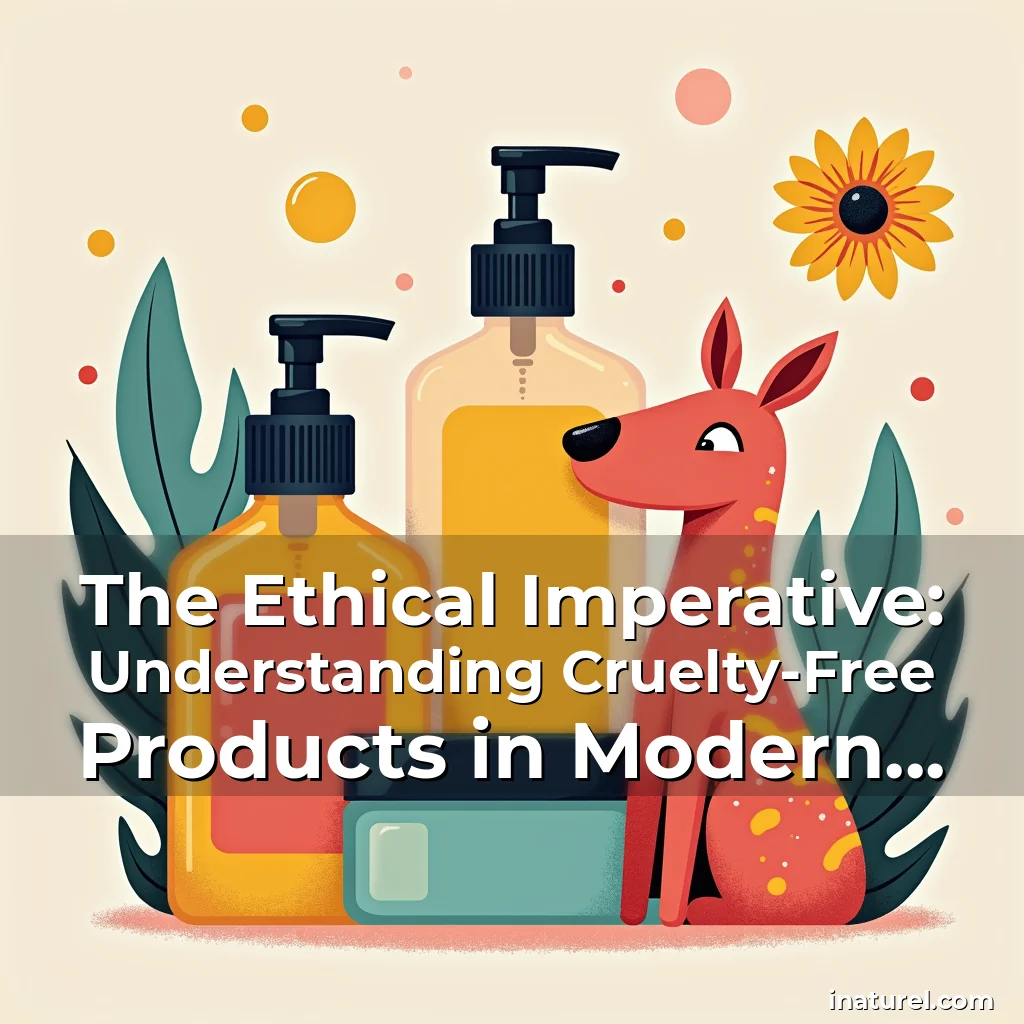
The Ethical Imperative: Understanding Cruelty-Free Products in Modern Consumerism
In an era where ethical consumption is reshaping market dynamics, the demand for cruelty-free products has surged as consumers become increasingly aware of their impact on animal welfare. This shift reflects a broader cultural movement toward transparency, sustainability, and compassion.
Cruelty-free products are those that have been tested without causing harm to animals, offering an alternative that aligns with both personal values and global advocacy efforts against animal testing. The rise of these products marks a pivotal moment in consumer behavior, emphasizing choice over indifference.
Decoding the Meaning Behind Cruelty-Free Labels
The term “cruelty-free” encompasses more than just the absence of animal suffering; it signifies a commitment to ethical production practices across every stage of manufacturing. This includes sourcing ingredients responsibly and ensuring safe testing methods for human use.
However, understanding what truly qualifies as cruelty-free can be complex due to varying standards among certification bodies. For instance, some organizations require full product line verification while others only test individual components.
- Leaping Bunny Certification: Recognized globally by PETA, this label guarantees that neither the final product nor its ingredients were tested on animals at any phase during development.
- Celestial Seasonings: A brand known for maintaining rigorous internal policies even beyond official certifications, demonstrating proactive engagement towards animal rights issues.
Why Consumers Choose Cruelty-Free Alternatives
Ethical considerations play a significant role in driving consumer decisions regarding beauty and household items. Many individuals opt out of supporting brands involved in animal experimentation based on moral grounds alone.
Health concerns also influence choices since certain chemicals used in traditional cosmetics may pose risks when applied regularly. By choosing non-animal-tested options, users reduce potential exposure to harmful substances unknowingly present in many commercial products.
The Health Perspective on Cruelty-Free Choices
Studies suggest links between long-term exposure to synthetic additives found commonly in conventional skincare routines and various health conditions such as skin irritations or hormonal imbalances. Opting for certified cruelty-free alternatives often means avoiding these potentially hazardous elements.
Furthermore, there’s growing evidence indicating that natural-based formulations tend to contain fewer toxins compared to heavily processed ones typically associated with mass-produced goods under less stringent oversight.
How to Identify Authentic Cruelty-Free Brands
Recognizing genuine cruelty-free labels requires attention to detail when reviewing packaging information or visiting company websites. Familiarity with reputable certifying agencies helps distinguish authentic claims from misleading marketing tactics aimed at capturing eco-conscious buyers.
A key indicator involves checking whether companies openly disclose their supplier chains and conduct third-party audits periodically to maintain compliance with established ethical guidelines set forth by recognized watchdog groups.
Challenges Faced by Cruelty-Free Businesses
Despite rising awareness levels surrounding ethical purchasing habits, small-scale enterprises producing cruelty-free merchandise still encounter numerous obstacles including limited access to funding sources and distribution networks dominated largely by larger corporations adhering different business models.
To overcome these hurdles successfully, innovative strategies focusing on digital outreach combined with strategic partnerships within niche markets appear crucial steps forward towards wider acceptance and scalability required for sustained growth trajectories.
Environmental Impact of Choosing Cruelty-Free Options
Beyond direct implications related solely to animal treatment, opting for cruelty-free products indirectly supports environmental conservation initiatives through reduced reliance upon industrial farming techniques traditionally linked high carbon footprints along supply chain logistics pathways.
Moreover, sustainable packaging solutions frequently adopted by leading cruelty-free manufacturers contribute significantly lower pollution rates than standard plastic-heavy containers prevalent amongst mainstream competitors who prioritize cost-efficiency above ecological responsibility.
Redefining Beauty Standards Through Cruelty-Free Practices
Adopting cruelty-free principles challenges outdated norms perpetuating unnecessary cosmetic procedures involving live subjects. It fosters innovation centered around developing effective yet humane methodologies applicable across diverse sectors requiring extensive safety evaluations prior launch phases.
This paradigm shift encourages investment into research exploring biocompatible materials suitable replacements current synthetic compounds currently dominating chemical industries worldwide contributing negatively biodiversity loss patterns observed recently across several regions experiencing accelerated climate change effects locally.
Global Trends Shaping Future Directions for Cruelty-Free Markets
As international regulatory frameworks evolve concerning permissible limits placed upon animal usage within scientific domains, emerging economies stand poised gain competitive advantage leveraging stricter local laws promoting indigenous startups capable meeting heightened expectations held increasingly discerning clientele base preferring ethically sourced commodities.
Predictive analytics indicate exponential growth projections anticipated next decade attributing surge popularity attributable cross-border collaborations enabling knowledge sharing advancements technological breakthroughs accelerating timeline required achieving universal adoption targets previously deemed unattainable given historical inertia displayed resistance change entrenched systems operating decades uninterrupted periods.
Conclusion
Cruelty-free products represent much more than mere trends; they symbolize profound societal transformations occurring rapidly across multifaceted aspects modern life touching everything from daily rituals performed millions people globally right down microeconomic structures influencing livelihoods countless communities worldwide affected ripple effect generated each conscious decision made towards embracing compassionate living styles prioritizing well-being beings irrespective species distinctions existing nature’s grand tapestry interwoven existence shared planet Earth we inhabit together harmoniously coexisting future generations inherit legacy left behind today.
By making informed choices now—whether selecting makeup palettes devoid traces violence inflicted innocent creatures or simply supporting businesses committed transparent operations—we collectively pave way brighter tomorrow characterized respect empathy towards fellow inhabitants world regardless form differences manifest physically mentally spiritually encountered encounters everyday lives shaped interactions built relationships cultivated connections formed humanity itself.

news is a contributor at inaturel. We are committed to providing well-researched, accurate, and valuable content to our readers.
You May Also Like
Share this article: