

Table of Contents
The Beauty Industry’s Environmental Footprint
The beauty industry is a significant contributor to the world’s environmental problems. The production, packaging, and disposal of beauty products have a substantial impact on the environment. The use of chemicals, plastics, and other materials in beauty products contributes to pollution, waste, and harm to wildlife. • The beauty industry is a major polluter, with the production of cosmetics and personal care products releasing large amounts of chemicals into the air and water. • The packaging of beauty products is often made from non-biodegradable materials, such as plastics and metals, which contribute to the growing problem of plastic waste.
Repurposing Beauty Products
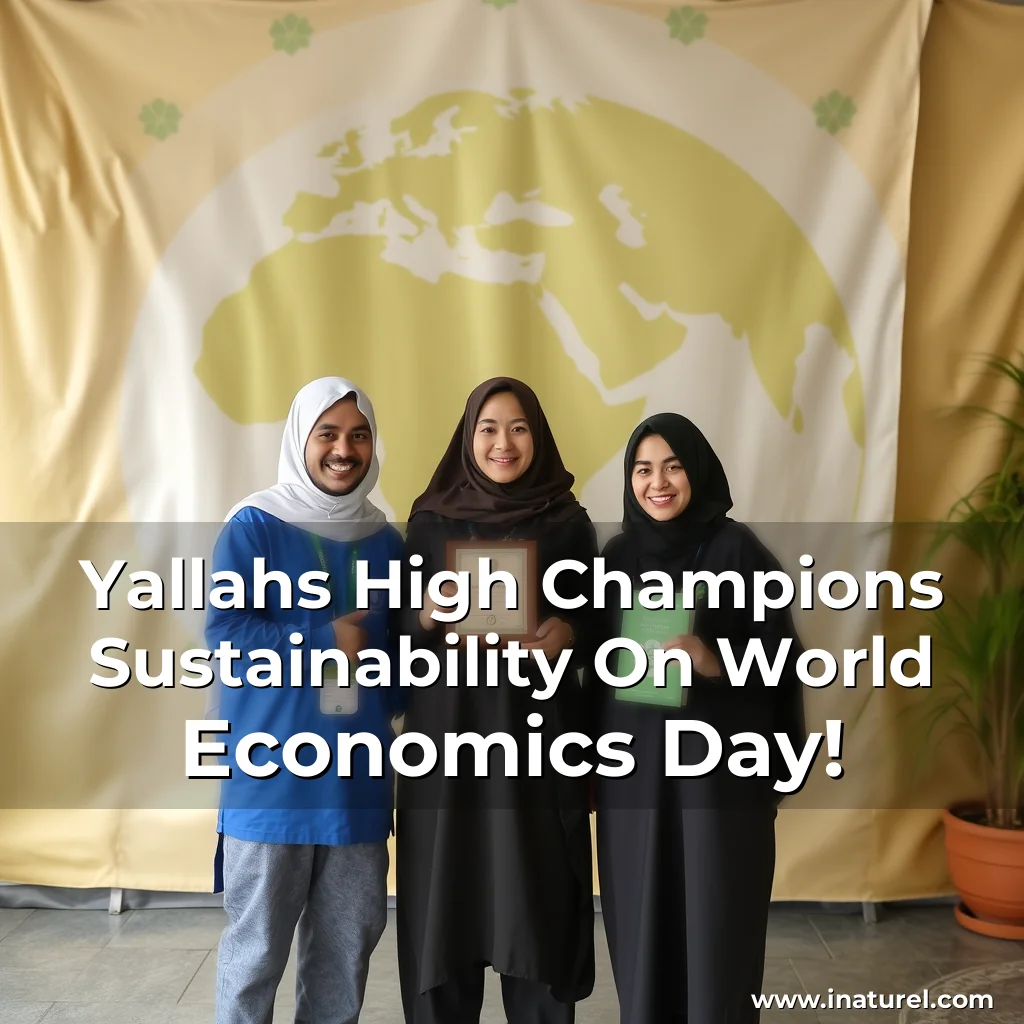
In the realm of home economics, students are taking the initiative to reduce waste and promote sustainability. One creative approach is repurposing discarded beauty products. This practice not only helps minimize the environmental impact of the beauty industry but also fosters a sense of resourcefulness and innovation among students.
Examples of Repurposing Beauty Products
Collaborative Initiatives
Michelle Johnson, a Level 1 cosmetology teacher, has been instrumental in promoting recycling initiatives within the home economics department.
“It’s amazing how small changes can make a big difference in our daily lives.”
The Impact of Sustainability Efforts on Students
Sustainability efforts in schools have a profound impact on students, shaping their attitudes, behaviors, and lifestyles.
Further details on this topic will be provided shortly.

news is a contributor at inaturel. We are committed to providing well-researched, accurate, and valuable content to our readers.
You May Also Like


Share this article: